
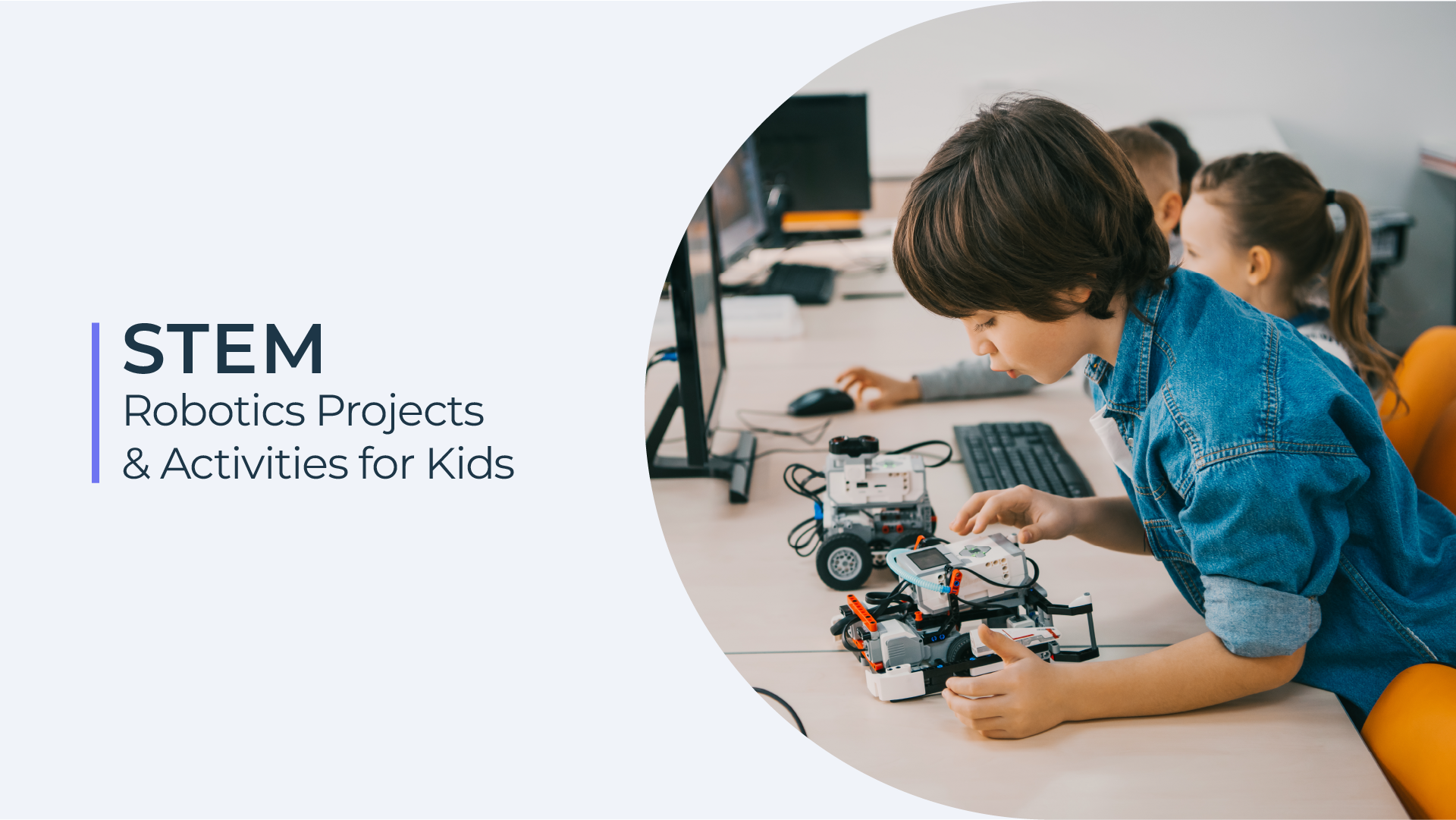
STEM (Science, Technology, Engineering, and Mathematics) education merges these core disciplines, fostering critical thinking and innovation. Robotics, an integral part of STEM, involves designing, building, and programming robots. For kids, STEM and Robotics offer practical skills, problem-solving abilities, and promote creativity in a tech-driven world.
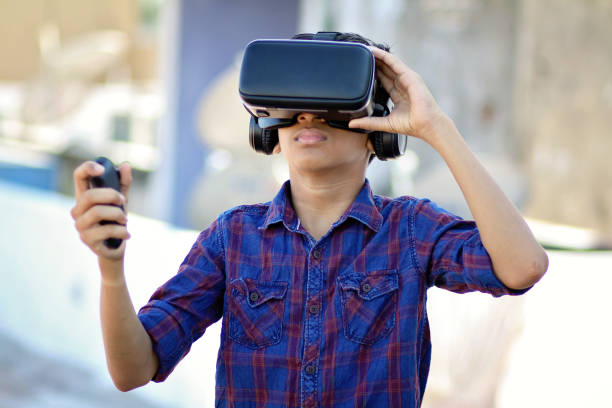
Augmented and Virtual Reality transform experiences by blending digital content with real-world environments seamlessly.
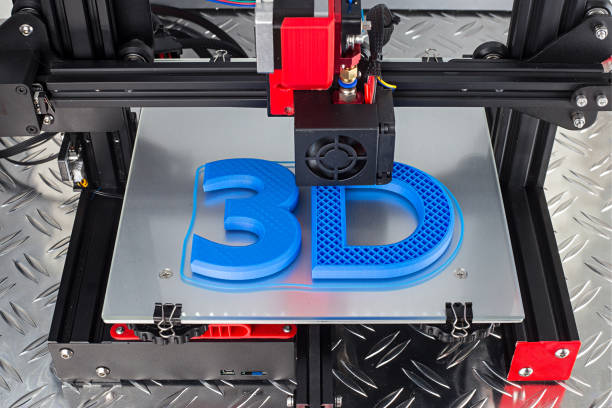
3D printing creates physical objects by layering materials from digital designs with precision.
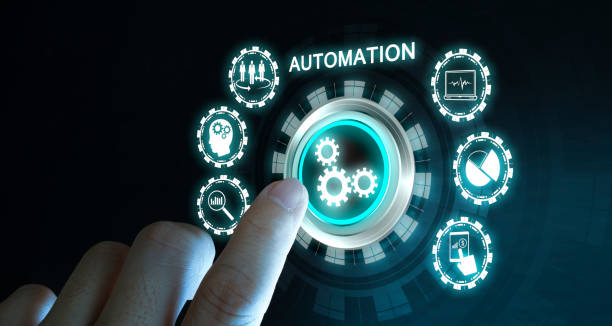
Automation streamlines repetitive tasks, improves accuracy, saves time, boosts productivity, and enables scalable business operations
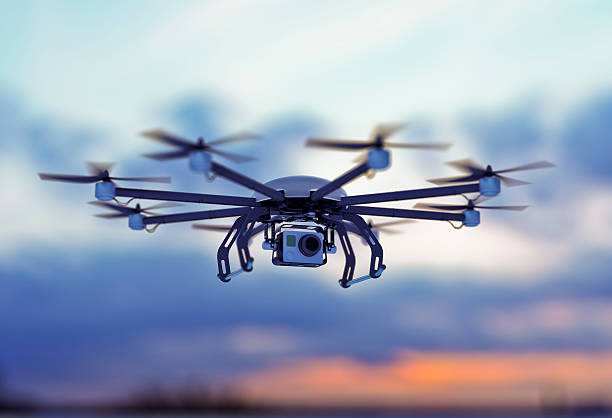
Drone technology enables aerial surveillance, delivery, mapping, agriculture monitoring, and efficient data collection.
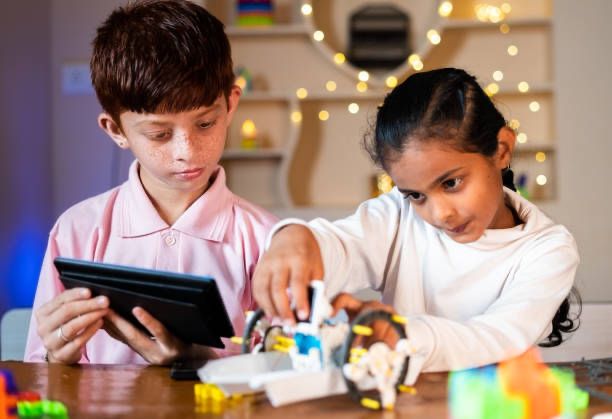
Robotics combines engineering and AI to build intelligent machines that automate tasks and enhance human capabilities.

Space technology explores satellites, rockets, and spacecraft to study space, improve communication, and advance scientific discovery.
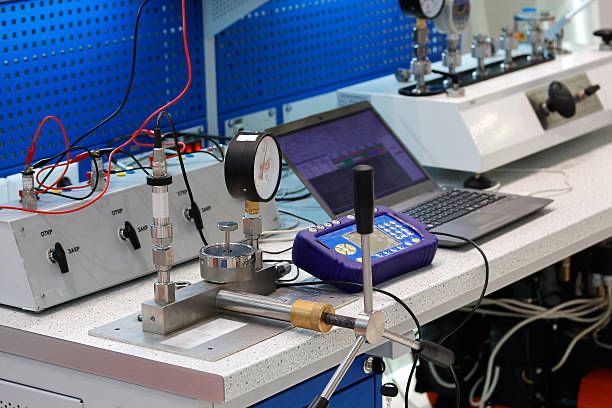
Mechanical lab provides hands-on experience with machines, tools, experiments, enhancing practical engineering skills effectively.
.jpeg)
Electrical and electronics lab offers practical training with circuits, instruments, experiments, enhancing technical skills students.
.jpeg)
Communication engineering lab provides practical exposure to signals, networks, devices, enhancing analysis and troubleshooting skills.